Motion Minded

Conversion › Architecture Coming soon

Architecture
to Music

Architecture, as an applied art, has throughout its history repeatedly pushed the boundaries of aesthetics and artistic richness.

Driven by my immense interest in this art form, I set out to select 12 significant and influential structures spanning various forms and different eras, and transform them into music.

This collection consists of 12 musical pieces in diverse styles, each composed under the influence of 12 impactful works of architecture.

The 12 pieces

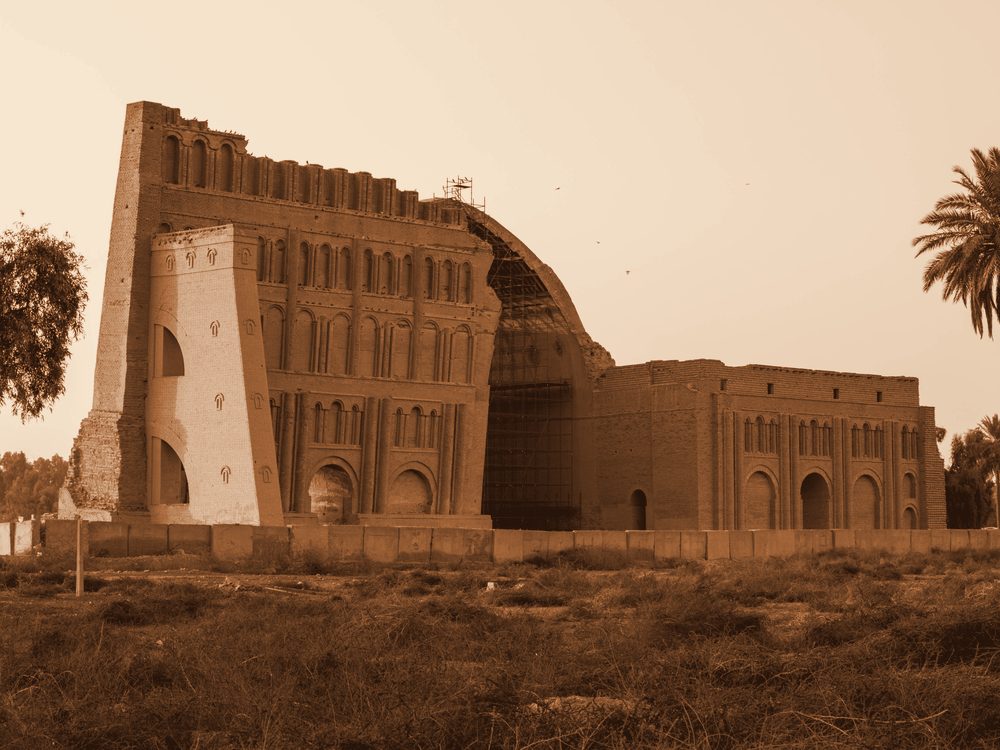
The Arch of Ctesiphon in Iraq
The Arch of Ctesiphon
01

This monument is the most important historical legacy of the Sassanid Empire, and its estimated construction dates back to the 3rd to 6th centuries AD. The structure features one of the largest vaults of the ancient world, and for me, it evokes the glory era of Iran.
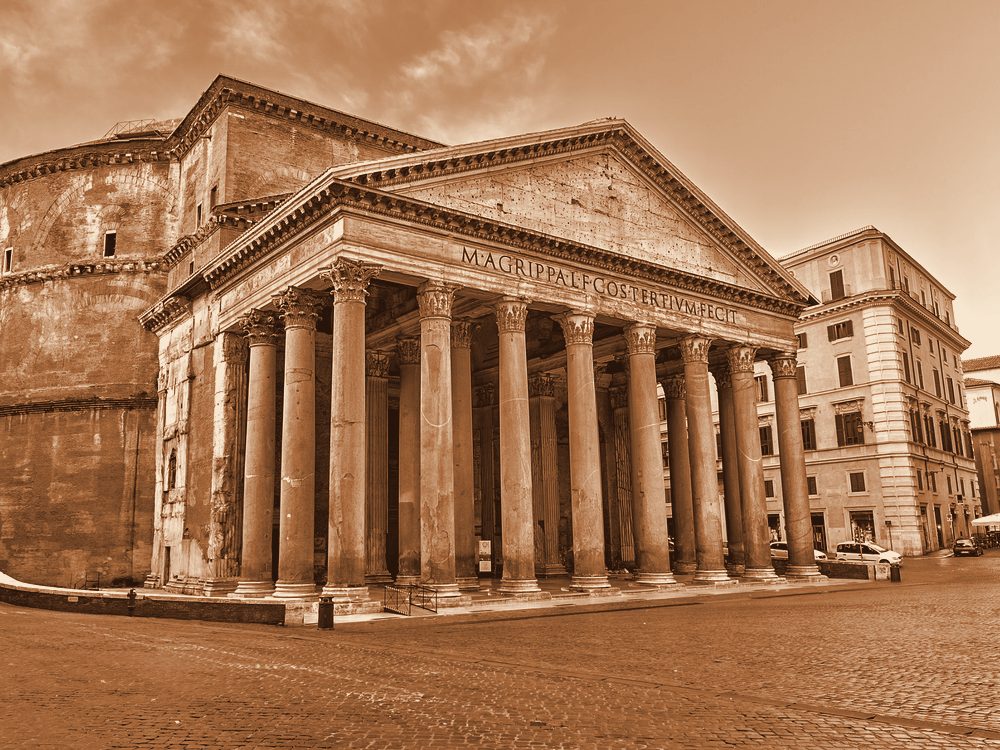
The Pantheon in Rome
Pantheon
02

This monument stands as one of the best-preserved buildings of Ancient Rome and a marvel of engineering. Its estimated construction dates back to around 126 AD, during the reign of Emperor Hadrian. The structure features the world’s largest unreinforced concrete dome, with an oculus at its center that opens to the sky.

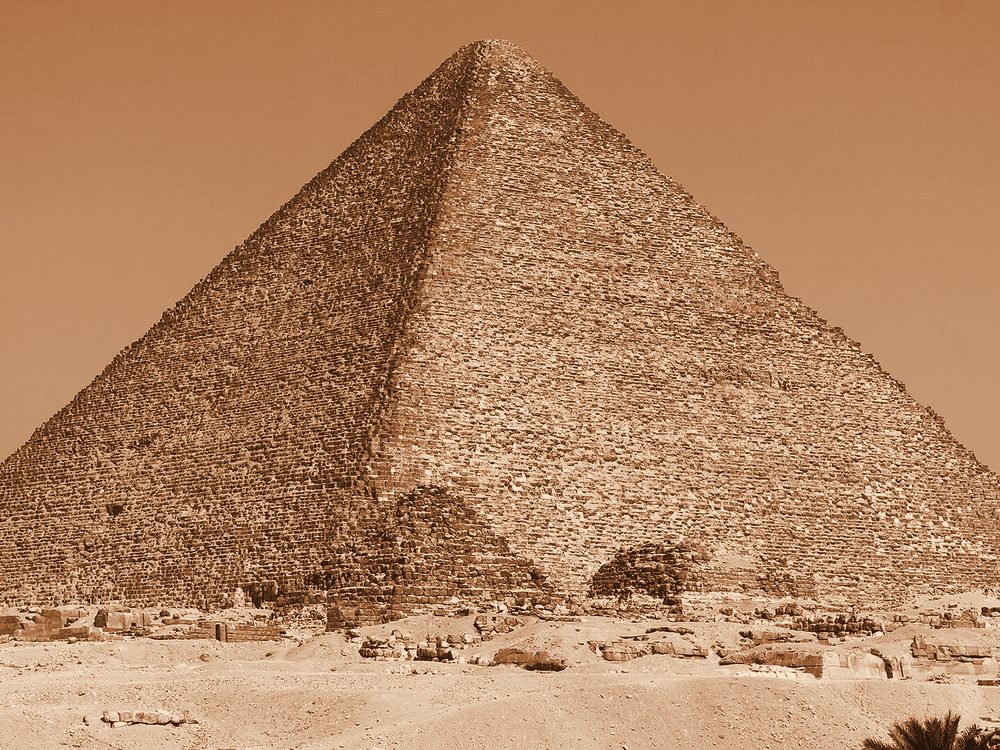
The Great Pyramid of Giza
Great Pyramid
03

This pyramid is the oldest and only surviving wonder of the ancient world. Its estimated construction dates back to around 2560 BC during the Fourth Dynasty of the Old Kingdom of Egypt. The structure was originally covered in smooth white limestone casing stones and stood as a tomb for Pharaoh Khufu. It represents the pinnacle of ancient engineering and human ambition!

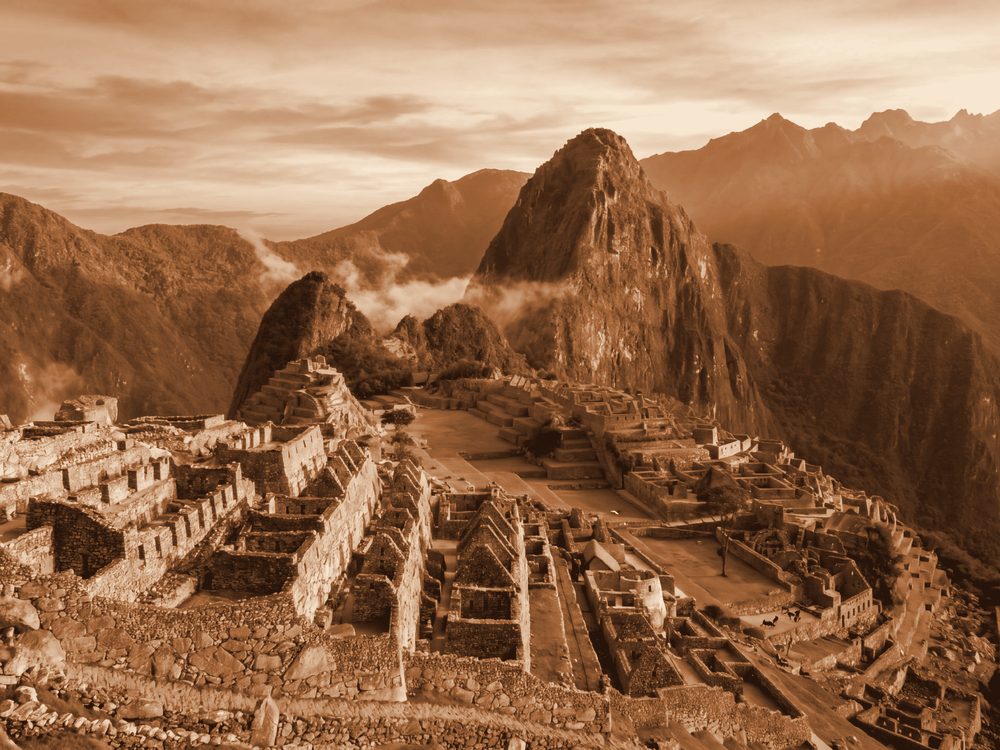
Machu Picchu in Peru
Machu Picchu
04

This is the most breathtaking citadel of the Inca Empire, perched high in the Andes Mountains. Its estimated construction dates back to the mid-15th century during the reign of the great Inca ruler Pachacuti. The structure features precise dry-stone walls, terraces, and temples seamlessly integrated into the dramatic mountain landscape. In Machu Picchu I find the harmony between human creation and nature in a musical way!

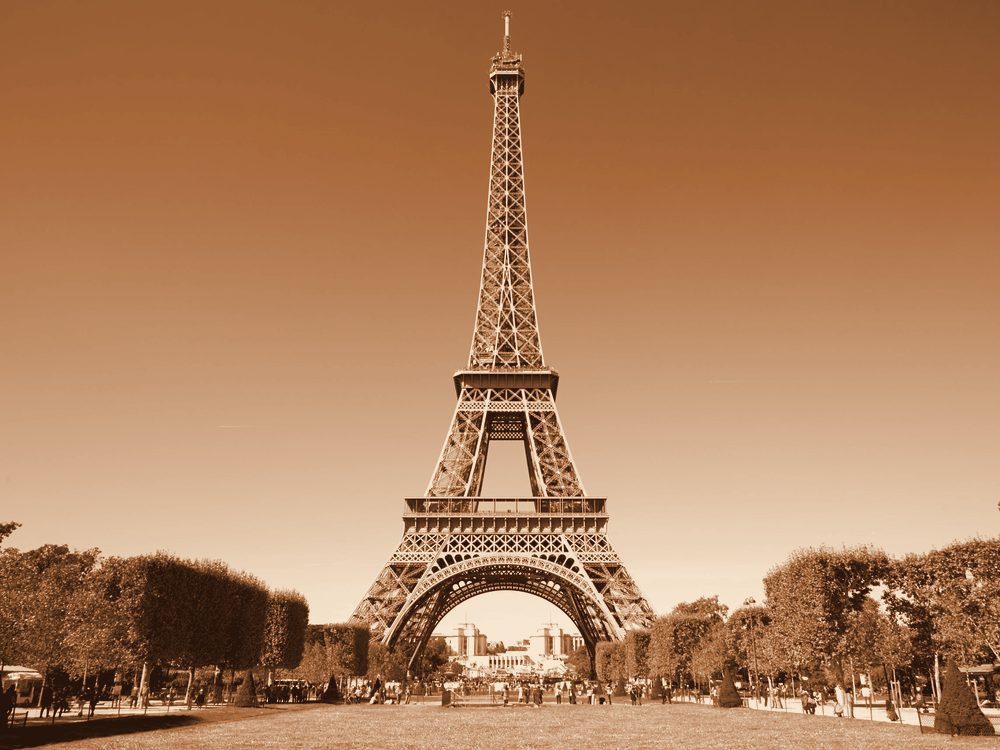
The Eiffel Tower in Paris
Eiffel Tower
05

The Eiffel Tower is the most iconic symbol of Paris and one of the most recognizable structures in the world. Its construction was completed in 1889 as the centerpiece of the World’s Fair, initially intended to be temporary. The towering iron lattice structure was met with both awe and controversy but has since become a beloved global landmark. For me, it represents the spirit of the Industrial Age and the enduring romance of human ingenuity reaching for the sky.

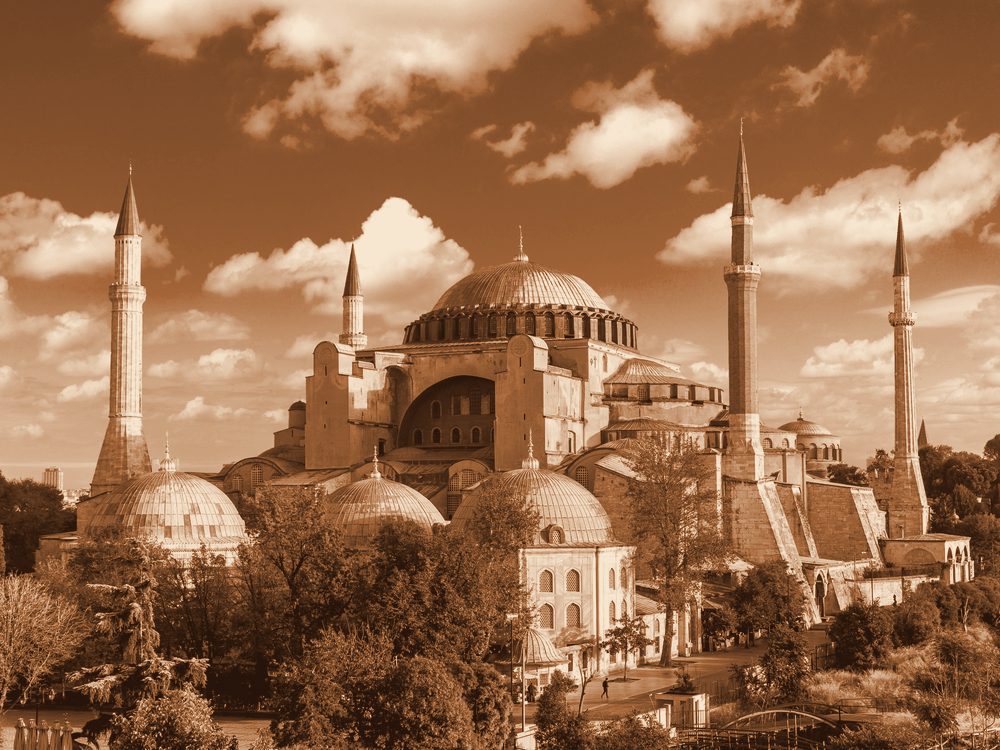
Hagia Sophia in Istanbul
Hagia Sophia
06

This monument stands as one of the greatest architectural achievements in human history, bridging two continents, two faiths, and over a millennium. Its construction was completed in 537 AD under Byzantine Emperor Justinian I. The structure features a massive central dome that seems to float above the nave, illuminated by 40 arched windows that cast golden light across its marble interiors. For me, it represents the sacred meeting point of earth and sky, where human devotion touches the divine.

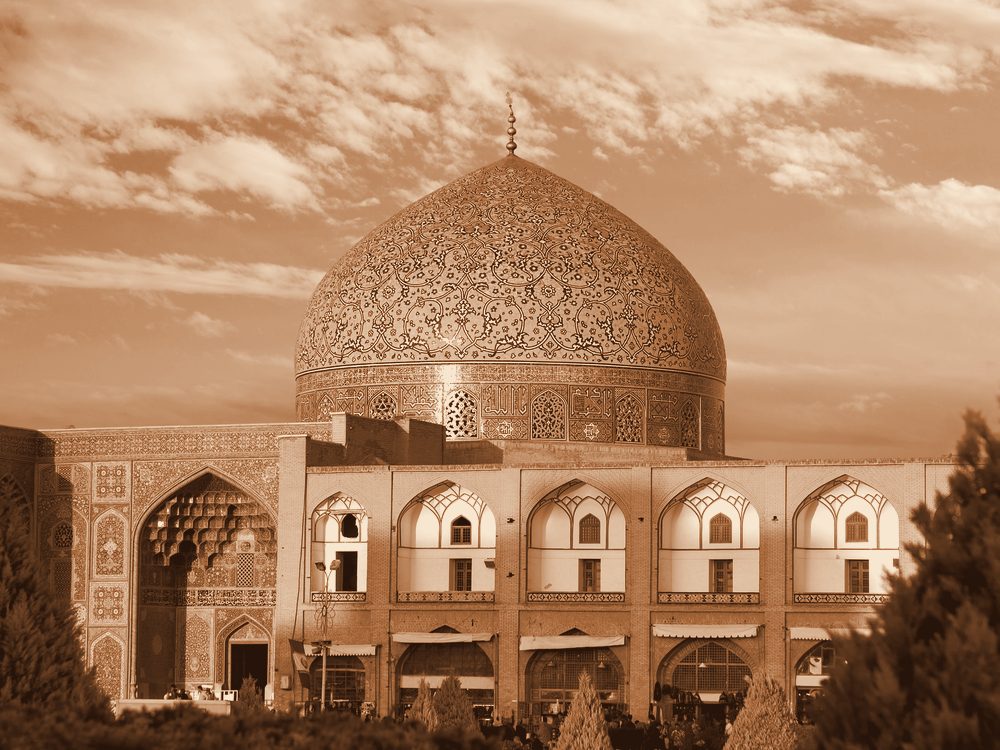
Sheikh Lotfollah Mosque in Isfahan
Sheikh Lotfollah Mosque
07

This monument is a masterpiece of Persian-Islamic architecture from the Safavid era. Its construction was completed in 1619 under the reign of Shah Abbas I. The structure features a stunning dome that changes color throughout the day, from cream to pink, and an interior adorned with the finest tilework in the world. It is a prominent example of the subtle genius of Persian architectural poetry.

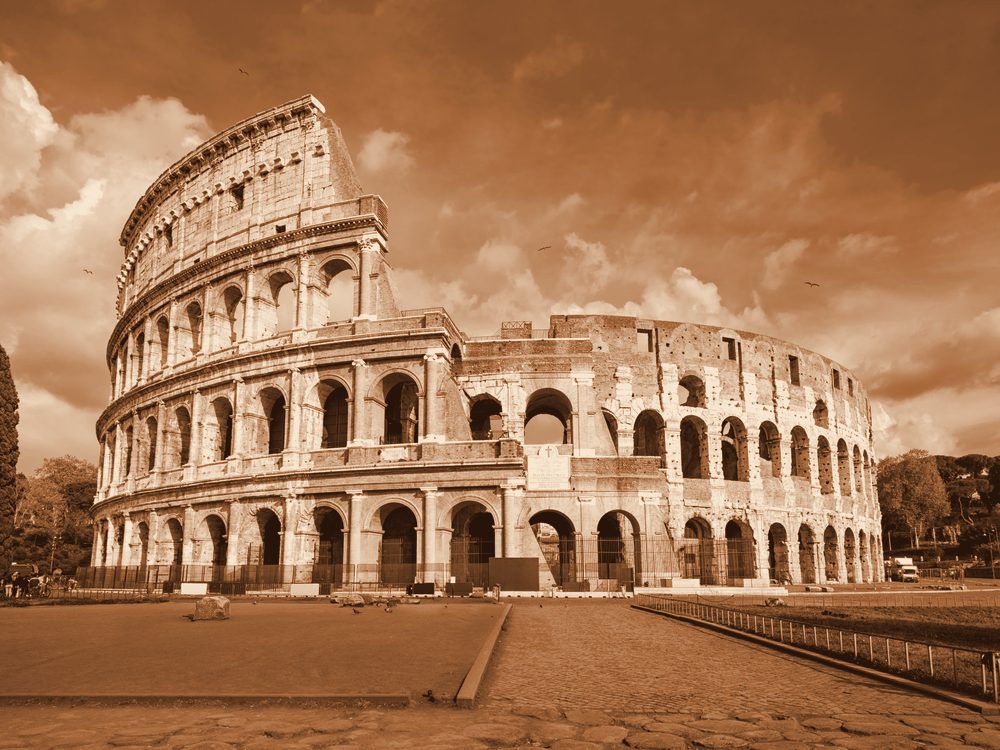
The Colosseum in Rome
Colosseum
08

The Colosseum is the largest ancient amphitheater ever built and an enduring symbol of Imperial Rome. Its construction was completed in 80 AD under Emperor Titus, with later modifications under Domitian. The structure featured a complex system of vaults, arches, and numbered entrances that could efficiently accommodate over 50,000 spectators. The Colosseum, for me, is a combination of grandeur, mystery, and the complexity of social structure.

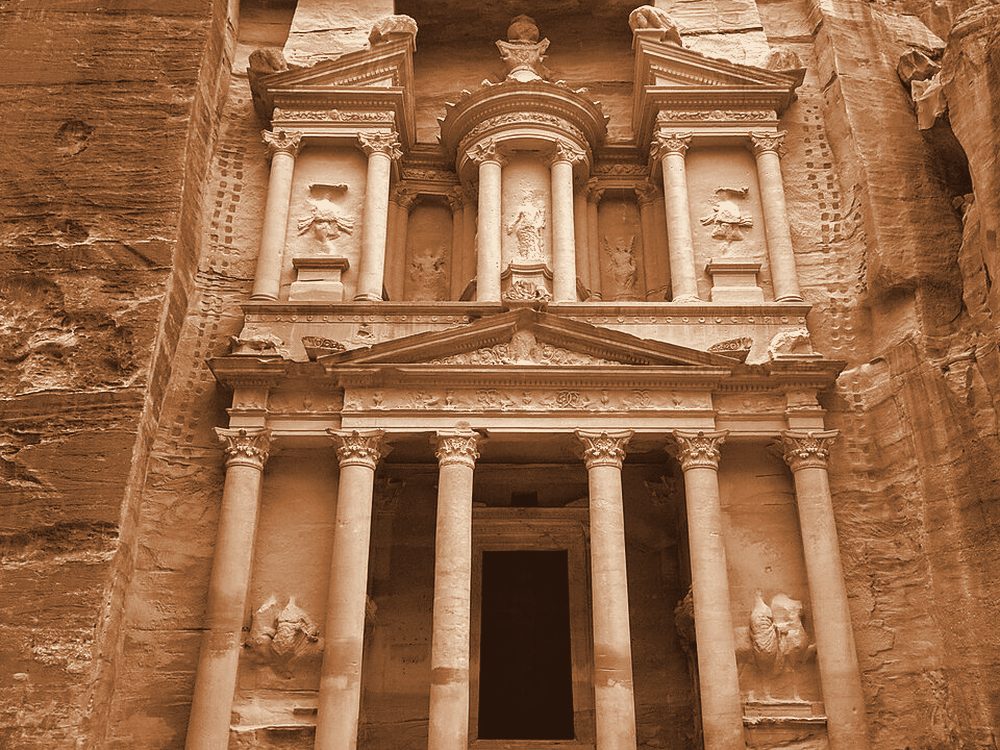
Al-Khazneh, the Treasury at Petra
Al-Khazneh (Petra)
09

Al-Khazneh is the most magnificent facade in the ancient Nabatean city of Petra, carved directly into rose-red sandstone cliffs. Its estimated construction dates back to the 1st century BC or early 1st century AD, likely as a royal tomb or temple. The structure features intricate Hellenistic-style columns, pediments, and statues, brilliantly preserved by the desert rock that sheltered it for centuries.

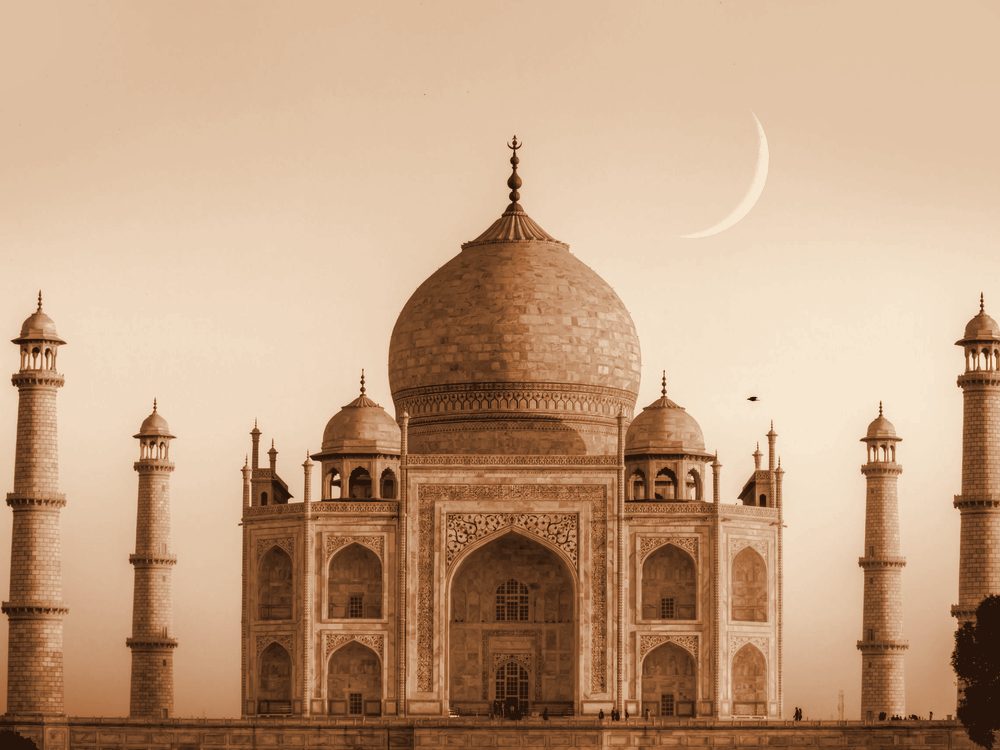
The Taj Mahal in Agra
Taj Mahal
10

This ultimate masterpiece of architecture was built as an eternal testament to love. Its construction began in 1632 under Emperor Shah Jahan in memory of his beloved wife Mumtaz Mahal. The structure features a flawless white marble dome surrounded by four slender minarets, its image perfectly reflected in the long pool before it. The Taj Mahal represents the moment when grief transforms into transcendent beauty, frozen in stone for eternity.

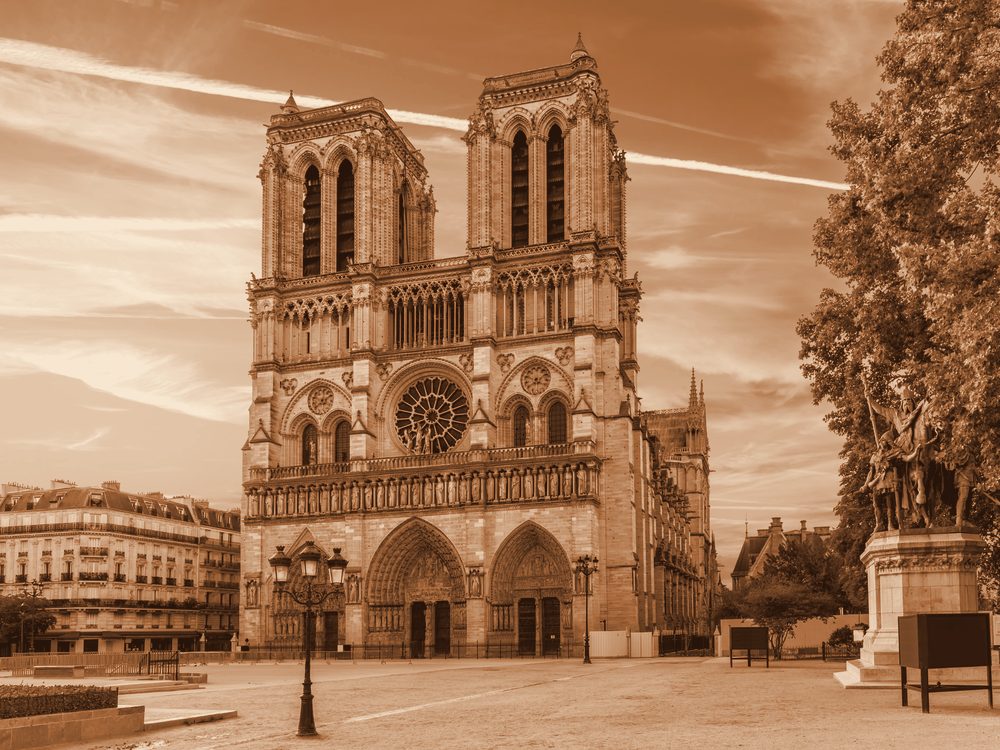
Notre Dame Cathedral in Paris
Notre Dame Cathedral
11

This monument is a masterpiece of French Gothic architecture and the very heart of Paris, both physically and spiritually. Its construction began in 1163 and spanned nearly two centuries, evolving with the aspirations of medieval Christendom. The structure features soaring rib vaults, radiant rose windows that cast kaleidoscopic light, and iconic flying buttresses that support its towering walls. This cathedral represents the pure beauty of architecture. Even after the fire of 2019, its spirit remains unbroken, rising again from ashes.

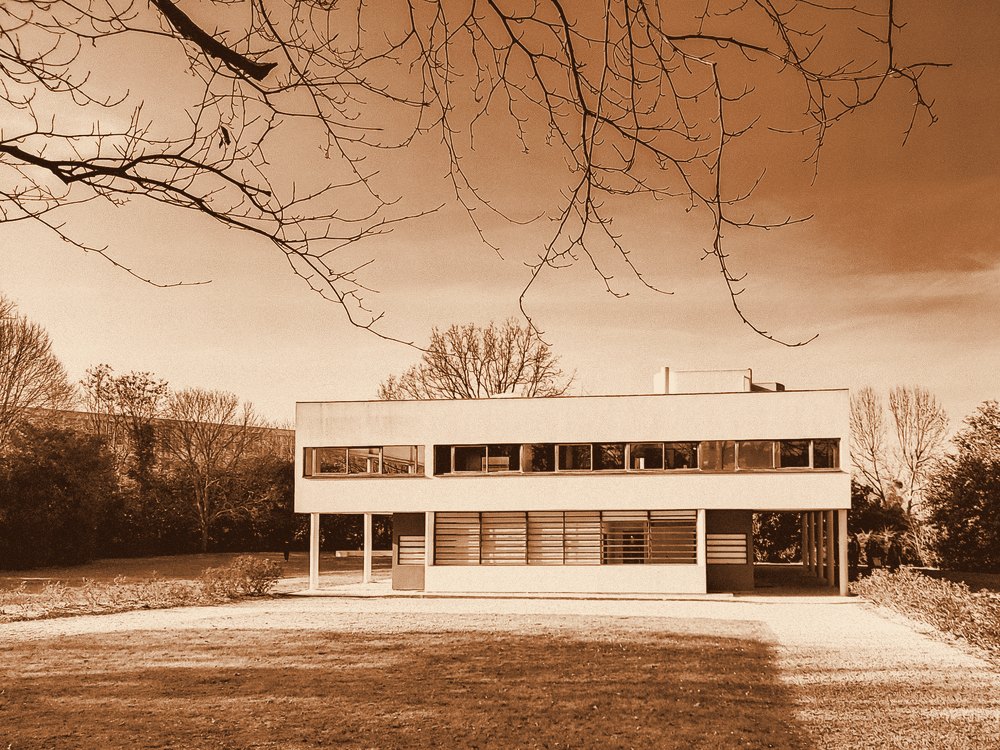
Villa Savoye in Poissy, France
Villa Savoye
12

Villa Savoye is the purest expression of modernist architecture and Le Corbusier’s vision of the house as a “machine for living.” Its construction was completed in 1931 in Poissy, France, embodying the architect’s Five Points of architecture. The structure features pilotis lifting the white box above the ground, a ribbon of horizontal windows, and a rooftop garden that reclaims nature. In this masterpiece, architecture embraces a new way of life.